Status
Unlimited tickets
0 Has Sold
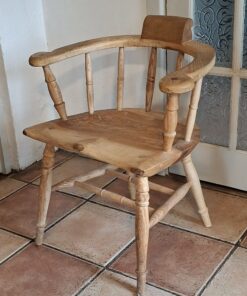
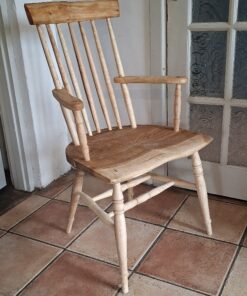
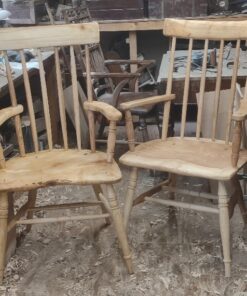
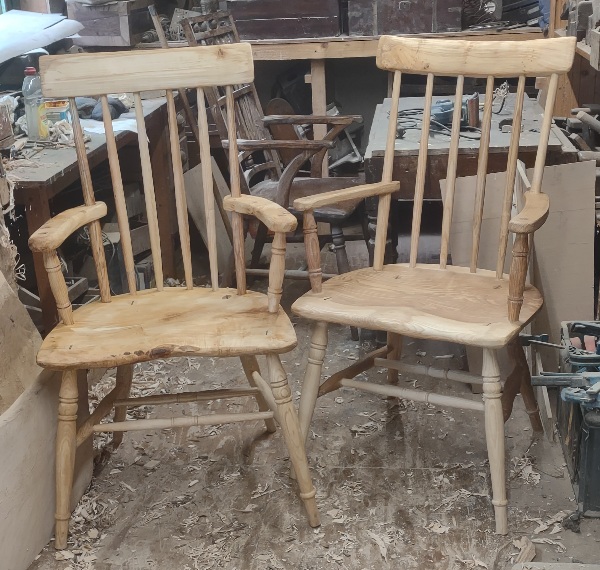
Stick back chair
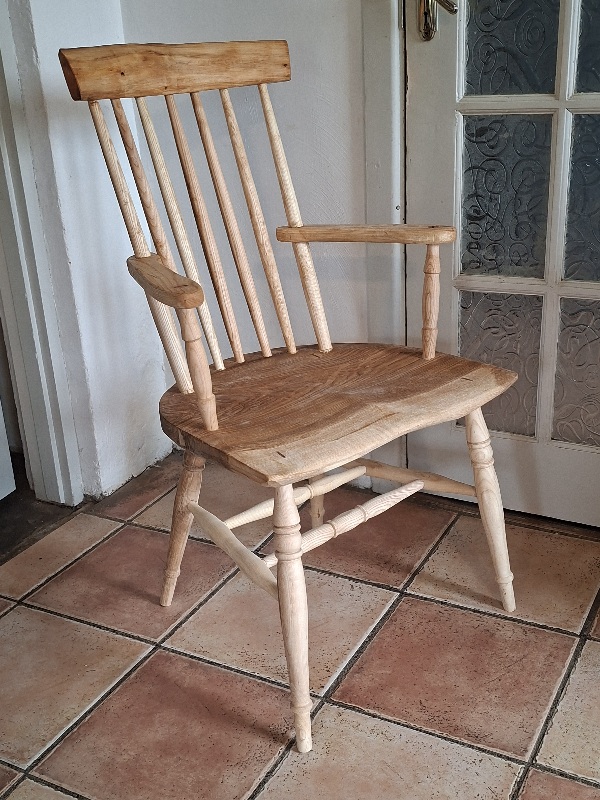
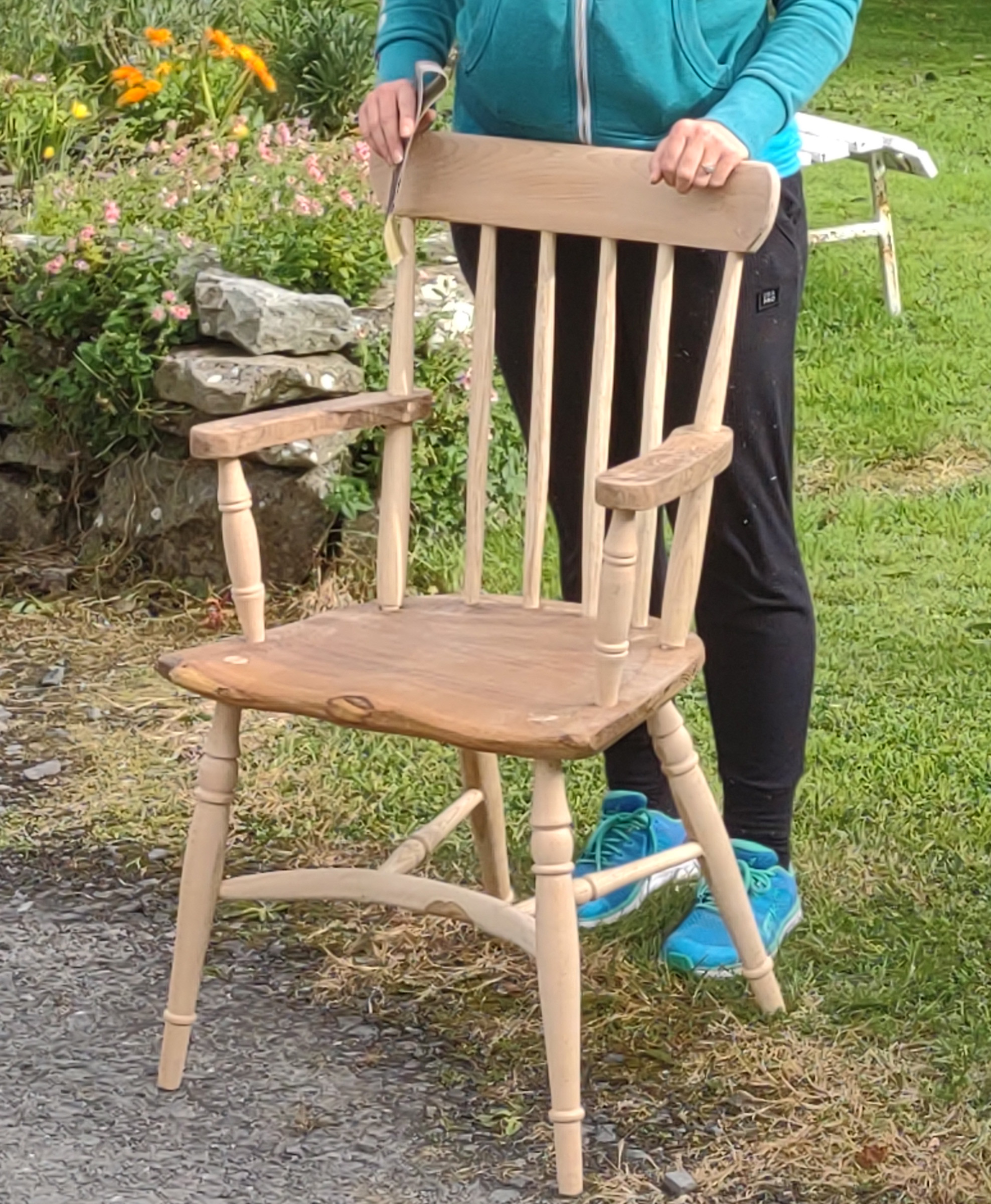
A stick back chair chair relies on a solid seat-board to support the back. Arms are an extra but they do add to the overall structure.
The stiffness of the back is derived from the curvature in the stick arrangement and the way the crown rail bonds everything together.
I use a variety of woods for the seat board. Elm was traditional before it became vitually extinct in the 1970s. It grew into very larege trees and the wood wasn’t much use for anything else, just chair seat boards and farm gates. It didn’t even burn well. These days the options are indigenous hardwoods such as Ash, Beech, Sycamore, Lime (Linden) even Oak.
We have found hardwoods as far away as Hasletts sawmill, Clogher, Co Tyrone
The saddle is cut into the solid seat board by hand using saddle planes. The outer edge is chamfered on the underside to give the impression of thin and light. Actually a seat board blank is usually 1 1/2″ thickness.
Sometimes, a nice piece of 1″ timber will become available. It was quite common in country chair-making to give a thin seatboard extra thickess by glueing two 1/2″ strips from front to back. (on the underside of course). This gives support to the leg tenons and counteracts any tendancy for the board to split on the grain.
The legs are turned to a particular design. In most of my chairs, they are, from the top, tenon, trumpet, ring, ball,ring, vase, ring, foot. The purpose of the ring and ball detail is to get the thickest part of the vase (where the stretchers are fixed) at mid-height.
The stick back chair is the mnost frequently chair type made during our weekend chair-making courses.
There is plenty to learn, especially with basic wood turning but over all the years, nobody has failed to complete a chair in the two days. Although, sometimes there might be some tidying up to be done at home.

Related products